Anxiety, explained: why your body sounds the alarm.
By Dr. Priya Raman, PsyD
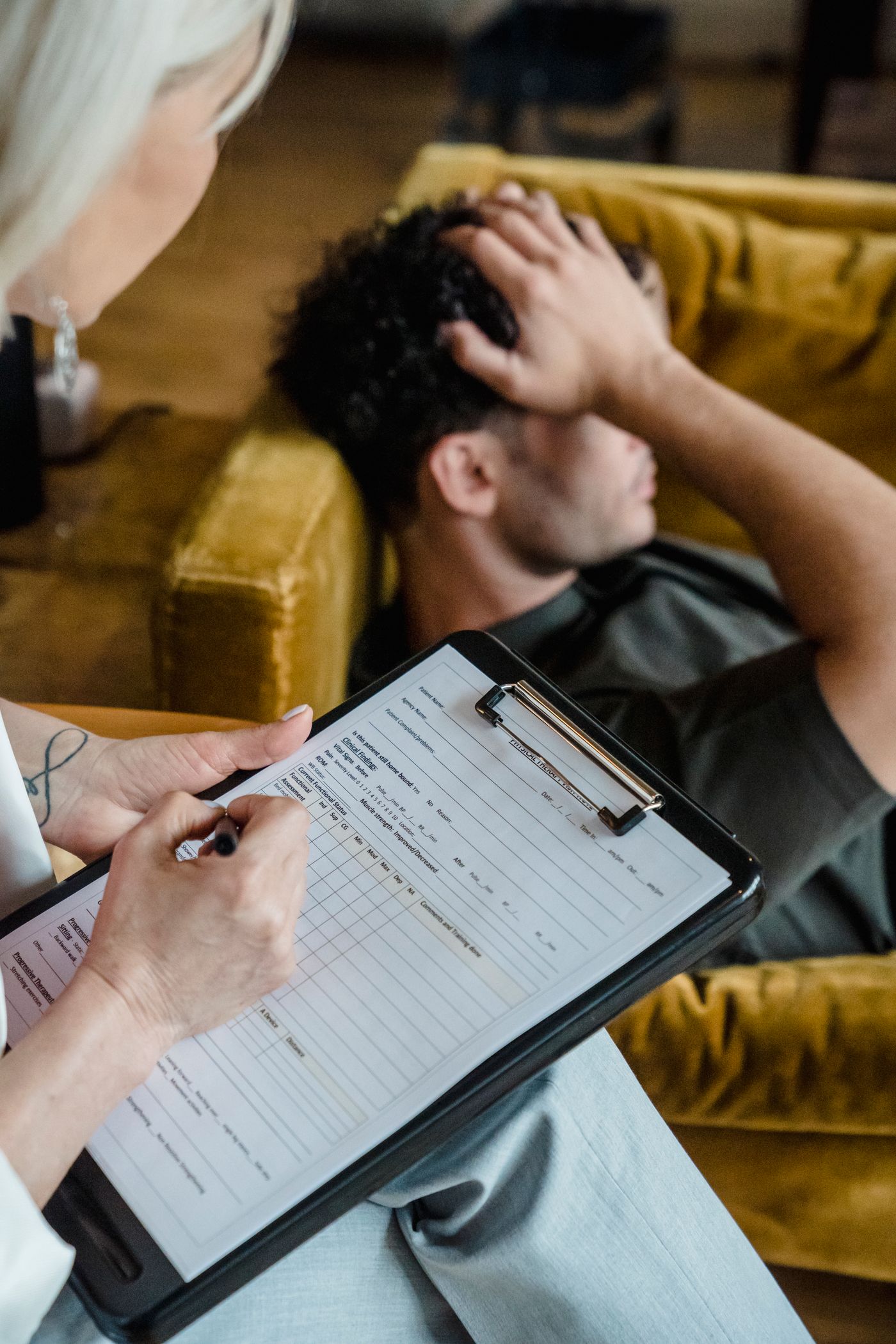
Your heart is pounding before a meeting that, rationally, you know is fine. Your chest tightens in the grocery line. At 2 a.m., your brain replays a conversation from 2019. If anxiety feels like a faulty alarm system, that’s because — in a sense — it is one. But it’s not broken. It’s doing exactly what it evolved to do. It just can’t tell the difference between a tiger and a Tuesday.
Your alarm is old hardware
The threat system — amygdala, adrenaline, cortisol — evolved to keep you alive on savannas, not in inboxes. It scans for danger in milliseconds, long before conscious thought. A curt email lands the same way a rustle in the grass once did: full-body mobilization, now. Knowing this doesn’t stop the surge, but it changes your relationship to it. You are not overreacting. You are reacting — with equipment built for a different century.
Why “just calm down” never works
Logic lives in the prefrontal cortex, which goes partially offline when the alarm rings. That’s why reassurance evaporates: you can’t argue with a system that isn’t listening. What reaches it instead is the body — slower exhales, unclenched jaws, feet on the floor. Safety has to be demonstrated physically before it can be believed mentally.
Try this: the physiological sigh
Two short inhales through the nose, then one long slow exhale through the mouth. Repeat three times. It’s the fastest known way to tell your nervous system the danger has passed — often within ninety seconds.
When anxiety needs more than techniques
Breathing tools manage the surge, but they don’t resolve what keeps triggering it: the perfectionism, the old loss, the relationship that never felt safe. That’s the deeper work of therapy — tracing the alarm back to what set its sensitivity so high, and gradually recalibrating it. Most clients notice daily anxiety loosening within the first couple of months.
Anxiety is information, not identity. It’s your system asking for attention in the only language it has. Learning to listen — with help — is how the alarm finally quiets.